
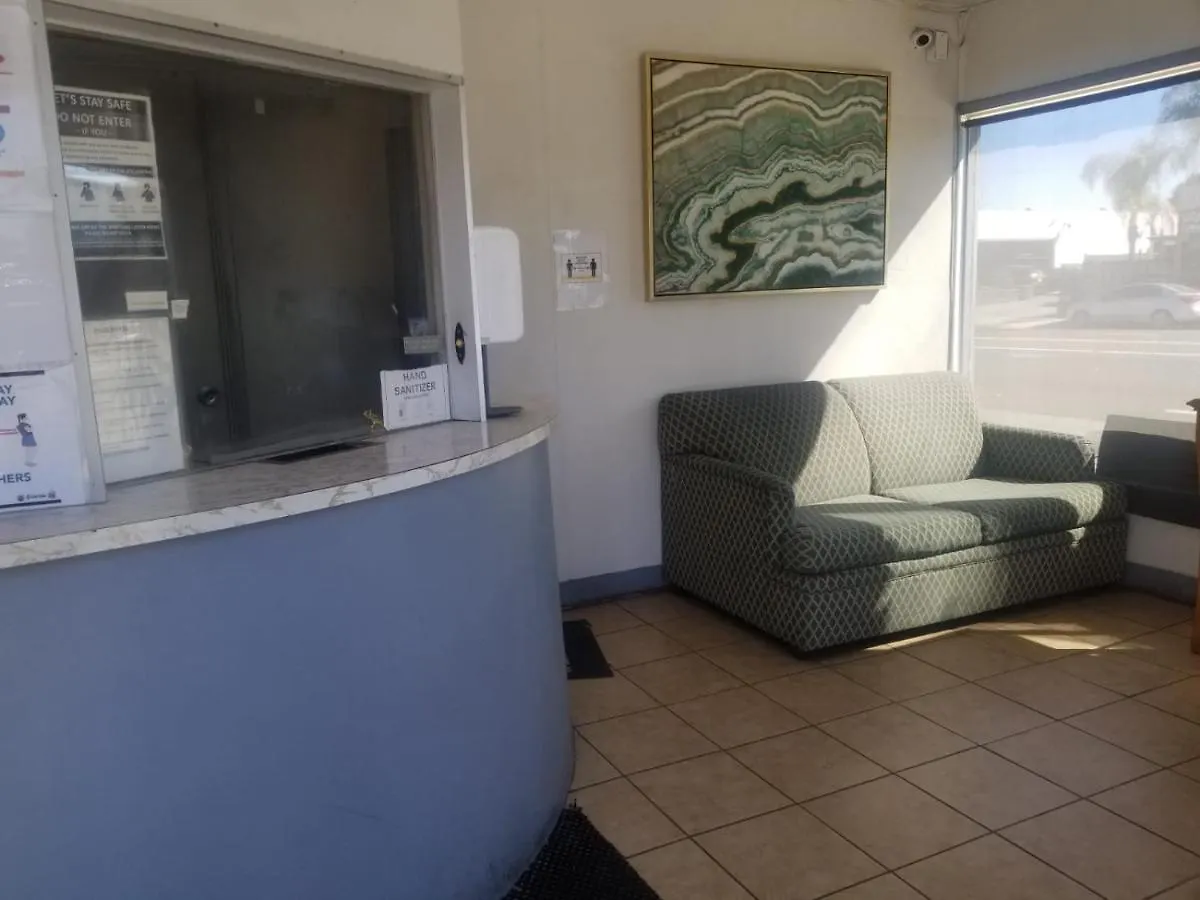
The Los Angeles Metropolitan Area stretches from the Pacific Coast to the Inland Empire, covering beach towns like Santa Monica, suburban corridors like Thousand Oaks, and dense urban cores. Motels here offer a practical, no-frills base for road trippers, budget travelers, and anyone who values drive-up access over lobby amenities. This guide covers 4 motel options across the LA metro, with real positioning context to help you choose the right one for your itinerary.
What It's Like Staying in the Los Angeles Metropolitan Area
The LA metro is a car-first region - nearly every attraction, neighborhood, and airport connection assumes you have a vehicle. Public transit covers less than 40% of typical tourist routes, making motels with free parking a genuinely strategic choice over downtown hotels that charge for it. Coastal zones like Santa Monica attract heavy weekend crowds, while suburban areas like Thousand Oaks run quieter with faster freeway access. Beach-adjacent stays suit first-time visitors wanting the classic LA experience, while highway-adjacent motels fit road-trippers routing through SoCal toward San Diego or San Francisco.
Pros:
- Free parking is standard at most motels, saving around $40/night compared to central LA hotels
- Coastal motels near Venice Beach and Santa Monica Pier provide walkable access to LA's most iconic shoreline without high-rise pricing
- Highway-positioned motels like those near Highway 101 make day-tripping to Malibu Canyon or downtown LA straightforward with a rental car
Cons:
- LA traffic can add significant time to any cross-metro drive, especially during morning and evening rush hours
- Many motel areas require a car for dining and grocery runs - walkable restaurant scenes are limited outside coastal neighborhoods
- Coastal motels book out weeks in advance during summer, reducing last-minute flexibility near popular beaches
Why Choose a Motel in the Los Angeles Metropolitan Area
Motels across the LA metro sit at a noticeably lower price point than comparable hotel rooms - typically around 35% cheaper than mid-range hotel chains in the same zip code. Room layouts trend toward ground-floor or exterior-corridor access, which suits travelers with luggage, surfboards, or road-trip gear. Drive-up room access is a functional advantage in a region where carrying luggage across a hotel lobby is genuinely inconvenient. Most LA-area motels forgo extras like gyms or concierge desks, but compensate with the essentials: free Wi-Fi, parking, and cable TV - which is typically all a beach-goer or weekend driver needs.
Pros:
- Exterior corridor access means loading and unloading a car takes under 2 minutes - a real advantage for multi-city road trips through SoCal
- Rates at well-positioned motels near Santa Monica and Highway 101 often undercut hotel alternatives by a significant margin
- Courtyard and outdoor common areas at several properties give a relaxed, open-air feel that suits the Southern California climate
Cons:
- Motel rooms in the LA metro typically lack soundproofing, and highway-facing units can be noisy at night
- On-site dining is rarely available - most motels have no restaurant, requiring guests to drive or walk for every meal
- Room sizes tend to be compact, with limited storage space for extended stays or families with multiple large bags
Practical Booking & Area Strategy for LA Metro Motels
Positioning matters enormously in the LA metro. Motels near Santa Monica offer walkable access to the Pier, Third Street Promenade, and Venice Beach - three of the region's most-visited destinations - but book fast between June and September. Thousand Oaks motels along Highway 101 serve travelers who want a quieter suburban base with a roughly one-hour drive to downtown Los Angeles, plus easy access to Malibu Canyon and the Conejo Valley's hiking trails. For airport proximity, the Santa Monica corridor sits around 8 miles from LAX, which is manageable by rideshare. Book at least 3 weeks ahead for coastal motels during summer weekends - availability collapses fast. Inland options like Thousand Oaks typically maintain availability closer to arrival dates, making them a safer last-minute choice for non-beach itineraries.
Best Value Stays
These motels offer the strongest combination of price, location, and practical amenities for budget-conscious travelers across the LA metro.
- Show on map
Best price guarantee
-
2. Ruby Motel
Show on map


 Check-infrom 14:00 until 23:59Check-outfrom 10:00 until 11:00
Just a few rooms left at the best rate!
fromUS$ 79
-
3. Americas Best Value Inn Thousand Oaks
Show on map


 Check-infrom 15:00 until 23:59Check-outuntil 11:00
Hurry – almost gone at this price!
fromUS$ 59
Best Premium Option
For travelers who want a coastal Santa Monica location with walkable access to Venice Beach and the Pier, this motel delivers real geographic value at a step above the budget tier.
-
4. Rest Haven Motel
Show on map


 Check-infrom 15:00 until 22:00Check-outuntil 11:00
Rooms filling fast – secure the best rate!
fromUS$ 139
Smart Travel & Timing Advice for LA Metro Motels
Summer (June through August) is peak season for coastal LA motels - Venice Beach and Santa Monica properties can sell out weeks ahead, and nightly rates climb sharply compared to the off-season. September and October offer the best balance: crowds thin out noticeably, rates drop, and the weather in Southern California remains warm and dry. Booking at least 4 weeks ahead is strongly advised for any coastal motel during the summer window. Inland properties like Thousand Oaks remain available closer to arrival dates year-round, which suits spontaneous road-trip itineraries. Most visitors to the LA metro need at minimum 3 nights to cover the essential attractions without feeling rushed - coastal visitors often stay longer to accommodate beach time, day trips to Malibu, and the slow pace of Santa Monica's Promenade. Last-minute deals occasionally appear for inland motels in winter (November through February), when tourism activity dips and rates reflect lower demand.


